Easy Crochet Christmas Bell Ornament: Free Step Pattern
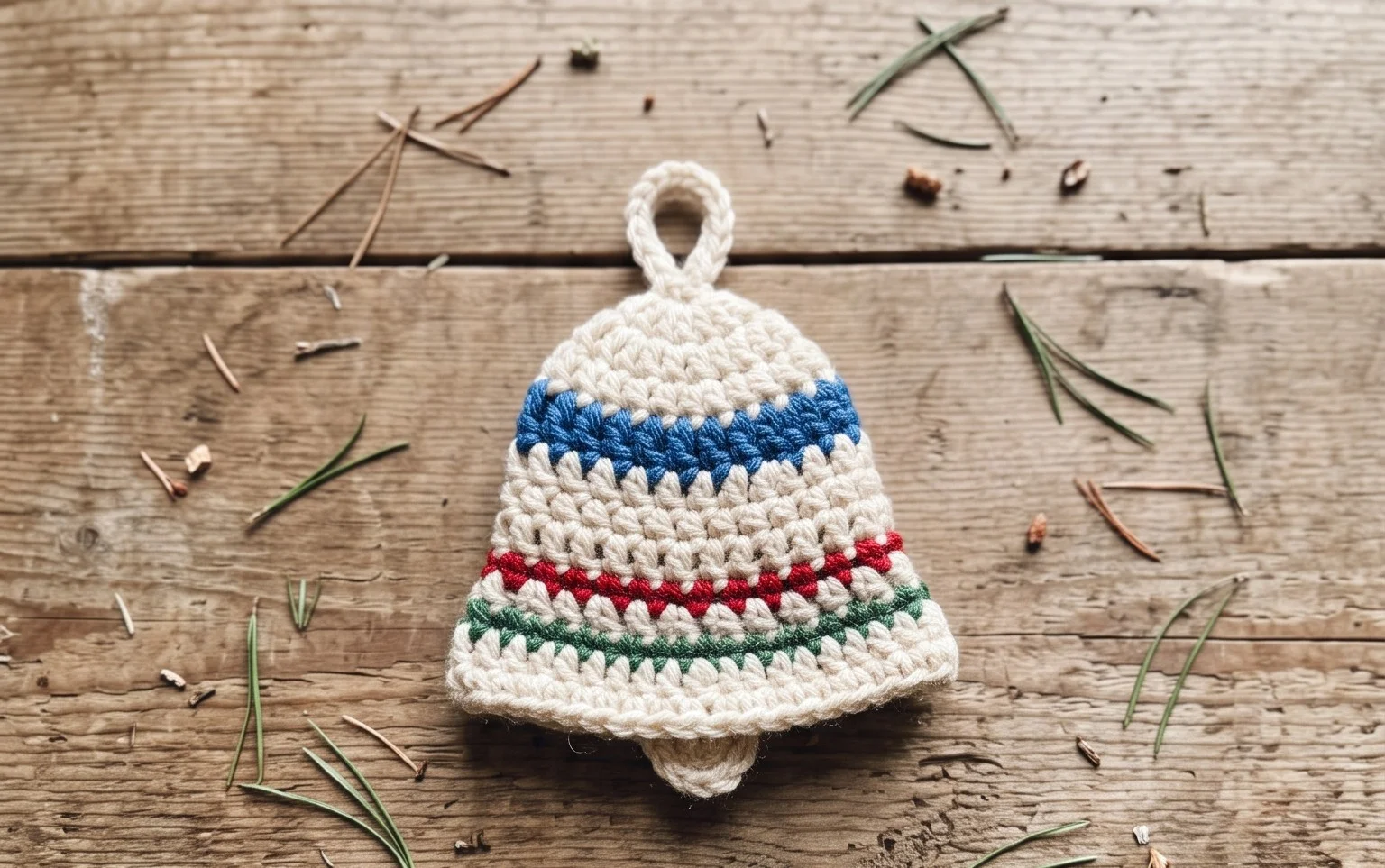
A jingling sound accompanies every movement of this small, firm holiday decoration as it hangs from a sturdy spruce branch. These items possess a tight, structured shape that holds its form beautifully throughout the winter season, making them a reliable choice for anyone new to working in the round. You will find that creating these decorations provides a calming rhythm, particularly during busy December evenings when you just need to sit quietly for an hour. This tutorial breaks down the essential construction of a hollow cone shape, showing how to achieve crisp edges using basic stitches that even a total novice can master within a single afternoon of practice.
Why You Will Love This Pattern
The Classic Crochet Dishcloth provides a rhythmic, meditative experience that turns a simple ball of cotton yarn into a hardworking kitchen essential. This project is ideal for mastering the basics of flat construction, teaching you how to maintain consistent tension and create straight edges. You can finish one in a single evening while watching television or listening to an audiobook. Its open, absorbent stitch pattern works effectively for cleaning countertops and dishes, while the durable fiber ensures it withstands frequent washing cycles. Because it uses less than one skein of yarn, this pattern serves as an excellent way to use up leftover cotton remnants from larger projects.
This dishcloth pattern is the first project I actually finished without losing interest. It worked up so quickly and the texture is perfect for scrubbing pans. I have already made ten of them for gifts.
— Sarah, beginner crocheter
Pattern Overview & Skill Level
- Skill Level: Beginner
- Approximate Time: 45 to 60 minutes
- Construction: Worked in flat rows, turning at the end of each row
- Finished Dimensions & Sizing: 8 inches by 8 inches square
Materials & Supplies Needed
- Yarn: Worsted weight (#4) 100% cotton yarn, approximately 60 yards per dishcloth.
- Hook Size: 5.0 mm (US H-8) crochet hook.
- Notions: Tapestry needle for weaving in ends, scissors.
- Safe Yarn Substitutions: You may use a cotton-linen blend for increased durability or a bamboo-cotton blend for extra softness. Note that synthetic acrylic yarns are not absorbent enough for dishcloths and should be avoided.
Stitch Guide & Abbreviations (US Terms)
- ch: Chain
- st: Stitch
- sc: Single crochet (insert hook, yarn over, pull up a loop, yarn over, pull through both loops on hook)
- dc: Double crochet (yarn over, insert hook, yarn over, pull up a loop, yarn over, pull through two loops, yarn over, pull through remaining two loops)
- turn: Turn your work to begin the next row
Step-by-Step Pattern Instructions
Main Dishcloth Body
- Row 1: Ch 27. Sc in the second ch from the hook and each ch across. (26 sts)
- Row 2: Ch 1, turn. Sc in the first st, dc in the next st. Repeat (sc, dc) across until 1 st remains, sc in the last st. (26 sts)
- Row 3: Ch 1, turn. Sc in the first st, dc in the next st. Repeat (sc, dc) across until 1 st remains, sc in the last st. (26 sts)
- Rows 4 through 26: Repeat Row 3. (26 sts)
Finishing
After completing Row 26, do not fasten off immediately. Ch 1 and rotate the piece to work along the side edge. Sc evenly down the side, placing one sc into the end of each row. When you reach the bottom corner, ch 1 and turn the corner to work across the foundation chain. Sc in each st across the bottom. Repeat this process for the remaining two sides to create a neat border. Sl st to the first sc to join, fasten off, and use the tapestry needle to weave in all yarn ends securely on the back side of the work.
Care & Washing Instructions
- Machine wash in warm water (up to 104 degrees Fahrenheit) on a gentle cycle.
- Tumble dry on low heat or lay flat on a towel to air dry to prevent shrinkage.
- If the cloth loses its shape after heavy use, dampen it slightly and pull it into a square, letting it dry flat to reset the fibers.
Pro Tips & Common Mistakes to Avoid
Maintaining consistent tension is the most common hurdle for beginners. If your dishcloth begins to look like a trapezoid, you are likely missing the first or last stitch of each row. Use a stitch marker in the first stitch of every row to ensure you are catching both loops. When weaving in your ends, run the yarn back and forth through the stitches at least three times in different directions to ensure it does not unravel in the washing machine. You can easily adjust the size of this cloth by chaining an odd number of stitches for your foundation row; however, ensure you have enough extra yardage to account for a larger surface area.
Frequently Asked Questions
Can I use a different weight of yarn for this pattern?
You can use DK weight or bulky weight yarn, but it will significantly change the size and density of the final cloth. If you change yarn weight, you must adjust your starting chain count to reach your desired width and use a hook size appropriate for that yarn.
Why does my dishcloth look like a triangle?
A triangular shape indicates that you are accidentally adding or skipping stitches at the ends of your rows. Always count your stitches at the end of every row to confirm you still have 26 stitches. Using a stitch marker in the first stitch of each row helps prevent this error.
Is it okay to sell the items I make from this pattern?
Yes, you may sell finished items made from this pattern. I ask that you credit the pattern design to my website, but please do not sell or redistribute the written instructions themselves.
How many dishcloths can I make from one skein of cotton yarn?
A standard 2-ounce skein of worsted weight cotton yarn typically yields two to three dishcloths, depending on your personal tension and the exact yardage provided by the manufacturer.
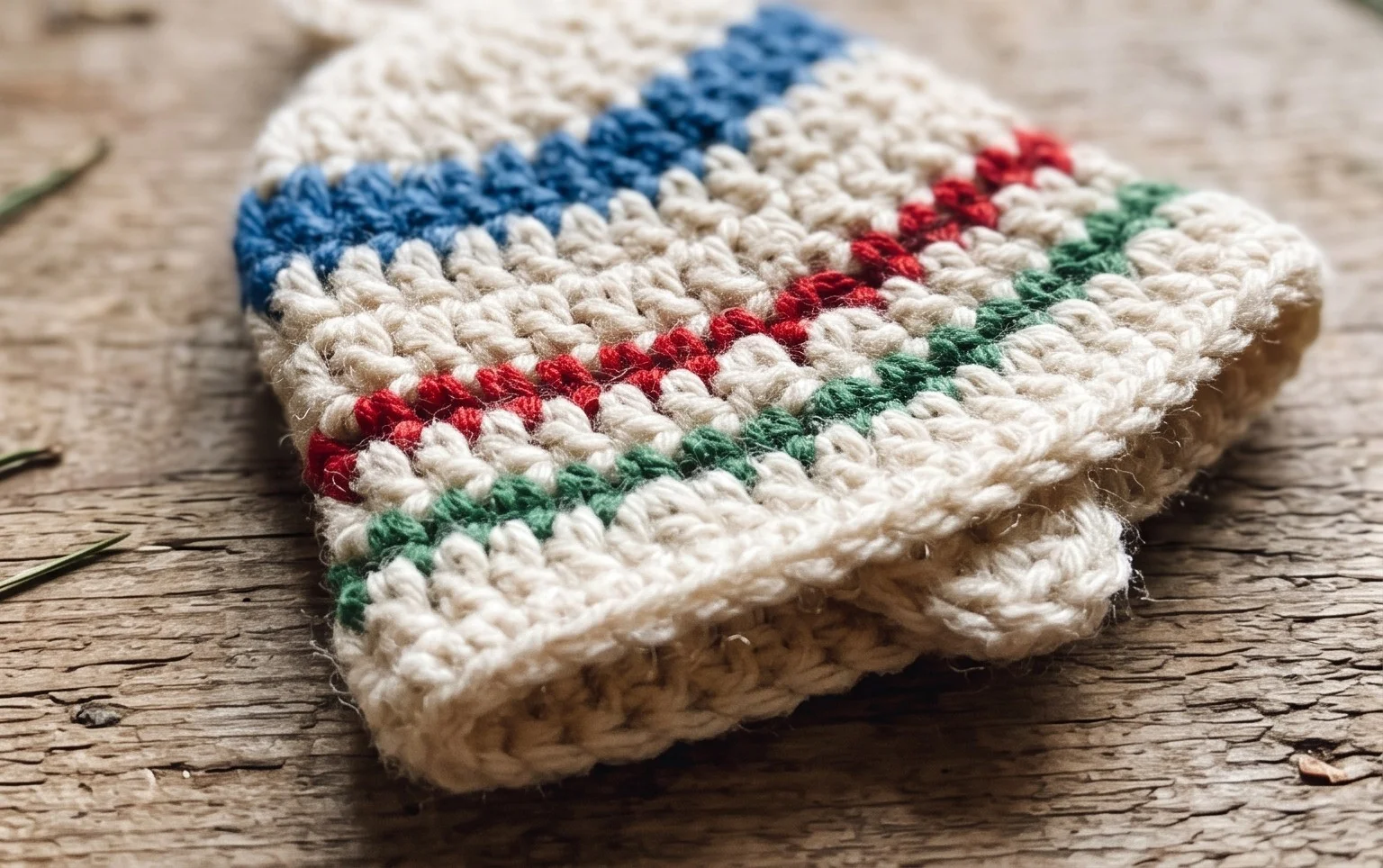
Your finished decoration will bring a touch of handmade charm to your tree for many seasons to come. You can swap the traditional white cotton for a metallic thread to give the bells an elegant shimmer or add a tiny red ribbon to the top for a classic holiday pop of color. Posting a photo of your work on your favorite social media platform helps other crafters find inspiration for their own holiday projects. Please feel free to browse the rest of our archive for more free seasonal patterns and ideas.